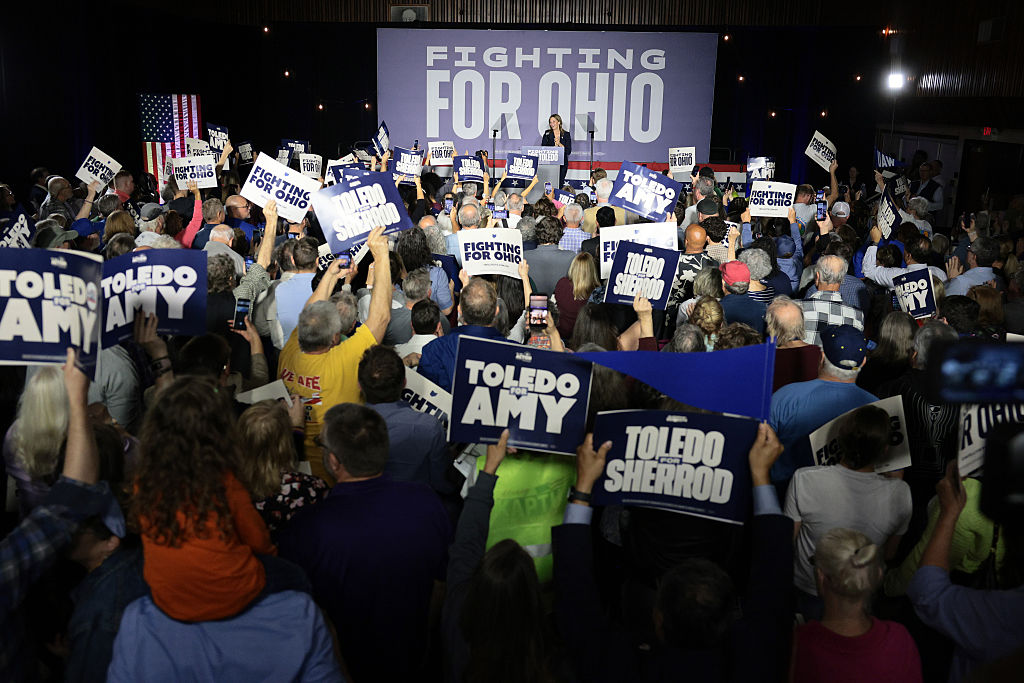
For decades, the standard playbook for American markets held that elections bring resolution. Investors and the public alike typically counted on a post-midterm relief rally, operating on the assumption that once the political dust settled, economic clarity and market stability would quickly follow. Today, however, that familiar calm appears far out of reach as the country digests a high-stakes legislative election.
Instead of a return to tranquility, Washington and Wall Street face a collision of economic vulnerability, shifting foreign policy dynamics, and intense partisan friction. Rather than marking an endpoint to uncertainty, the midterm results may simply set the stage for an even more turbulent chapter.
Tech Stocks and the Looming AI Reckoning
A central engine of current economic unease is the technology sector, where massive valuations are coming under severe strain. Tech equities have experienced sharp downturns amid growing skepticism regarding the long-term sustainability of the artificial intelligence boom. For months, vast capital expenditure on AI data centers and computing power has driven market expansion, but signs of fatigue are multiplying.
Major sector leaders—including Alphabet, Meta, and Amazon—have delivered earnings updates that sparked investor concern, while prominent industry figures have voiced warnings about structural vulnerabilities. At the heart of the anxiety is the complex web of circular financing that has propped up rapid expansion, where tech firms route capital through specialized vehicles to fund their own ecosystem growth. If institutional investors—such as public pension funds and large asset managers—decide to retrench, trillions of dollars invested in digital infrastructure risk freezing up.
Political outcomes threaten to compound these market pressures. A substantial shift in Congressional power toward the Democratic Party could translate into aggressive regulatory oversight, tighter legislative guardrails around AI deployment, and scrutiny of regional data center expansion. At the same time, any market fallout risks becoming a political flashpoint, with critics pointing to the administration's enthusiastic embrace of the tech boom while defenders prepare to deflect blame.
"Get ready to blame the inevitable AI bubble burst on the Marxist takeover. We’ve seen this movie so many times before," observed one market onlooker.
Global Realignments and Foreign Policy Wildcards
The domestic political landscape is further complicated by shifting international dynamics. In Latin America, political turns away from business-friendly, Washington-aligned leaders—exemplified by recent electoral shifts in Brazil—have rattled international equity markets and delivered a blow to the administration's broader hemispheric trade strategy.
Simultaneously, geopolitical tensions in the Middle East present an immediate threat of further disruption. Insiders and military maneuvers suggest that the post-election window could see a renewed escalation of executive action abroad, including potential air strikes targeting Iranian assets. Public statements at campaign events hinting at rapid military operations have signaled that major national security moves remain on the table.
Such actions could dramatically reorder international energy markets and diplomatic relationships, ensuring that foreign policy remains a primary source of domestic volatility regardless of legislative balance.
A Fragmented Path Ahead
Beyond market dynamics and foreign affairs, the internal mechanics of governance face immediate stress. Public trust in electoral administrative processes remains deeply divided, setting up a post-election period likely filled with legal challenges, contested counts, and partisan rhetoric.
Should power in Congress shift, the incoming majority is expected to aggressively reassert its oversight authority—challenging executive spending, launching investigations, and mounting policy roadblocks. Yet executive power remains expansive, ensuring that policy deadlocks will be fought line by line.
As observers watch the election fallout, few anticipate a quiet transition. "What kind of idiot expects 'calm'?" noted one commentary on the political atmosphere. "The next two months are going to be a storm of litigation, attempts to intimidate election officials... and ultimately, attempts both procedural and violent to keep power."
Whether the focus is on stock portfolios, regulatory policy, or global stability, the post-midterm landscape promises anything but a return to normal. The nation now enters a period defined by structural economic tests and fierce institutional conflict, where stability remains the rarest commodity of all.

